Court Maintenance Services
Professional tennis court maintenance services ensuring optimal playability, safety, and extended surface life through regular care programs.
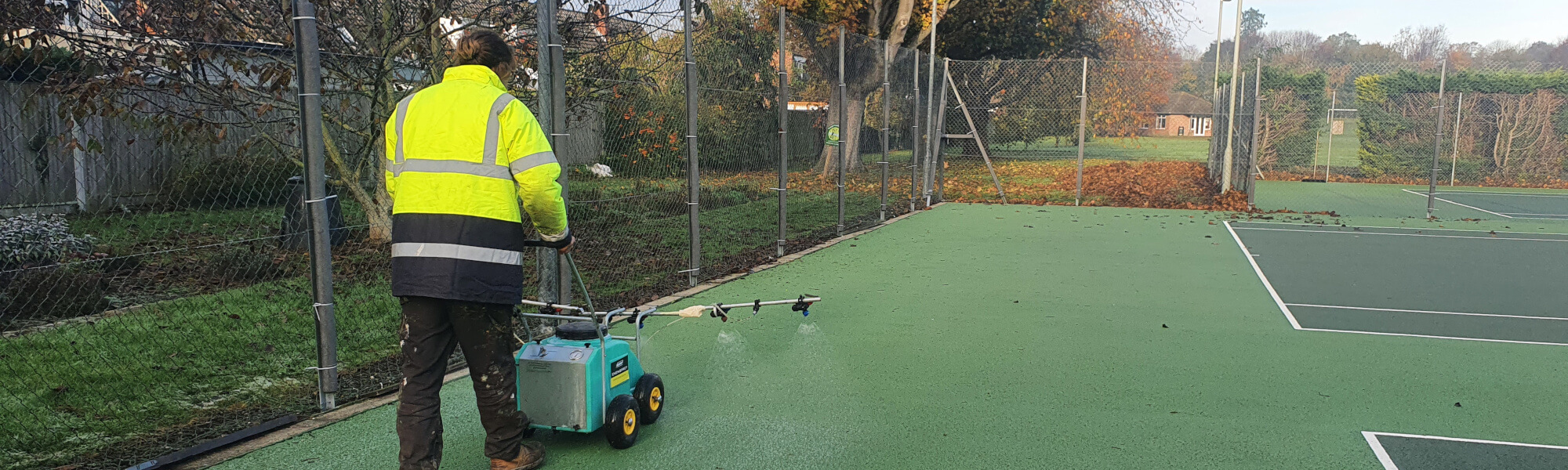
Regular maintenance preserves tennis court investments while ensuring safe, enjoyable playing conditions year after year. Well-maintained courts provide consistent ball bounce, reliable traction, and attractive appearance that encourage active use. Conversely, neglected courts deteriorate rapidly, requiring costly repairs or premature reconstruction that proper care could have prevented. The Dallas climate presents specific maintenance challenges including intense UV exposure, summer heat stress, occasional freeze events, and spring storms that deposit debris and create drainage issues. Understanding these regional factors and implementing appropriate maintenance practices protects court surfaces while optimizing their functional lifespan. Professional maintenance programs combine owner-performed routine care with periodic professional services that address deeper cleaning, repairs, and preventive treatments. This balanced approach maintains court quality while managing maintenance costs effectively across the facility lifecycle.
Comprehensive Tennis Court Maintenance Programs
Effective maintenance programs address all court components including playing surfaces, drainage systems, fencing, lighting, and accessories. Comprehensive care recognizes that each element affects overall facility performance and longevity. Programs should be tailored to specific court types, usage intensity, and local environmental conditions. Professional maintenance providers offer scheduled service plans that ensure regular attention without requiring owner effort. These programs typically include periodic inspections, cleaning, repairs, and preventive treatments performed by trained technicians with appropriate equipment. Scheduled services supplement owner maintenance for complete facility care. Maintenance scheduling considers seasonal factors that affect court conditions and service requirements. Spring maintenance addresses winter weather effects and prepares courts for peak summer use. Summer care focuses on managing heat stress and dust accumulation. Fall maintenance protects courts through cooler months. Documentation and record-keeping support effective maintenance by tracking service history, identifying recurring issues, and planning future work. Professional maintenance providers furnish service reports documenting work performed and court condition. This information guides maintenance decisions and supports warranty claims if needed.
Seasonal Maintenance Checklists
Spring maintenance prepares courts for increased summer activity following winter weather exposure. Tasks include thorough cleaning to remove accumulated debris, inspection for freeze damage including cracks and drainage issues, pressure washing to remove winter grime, and line touch-up to restore visibility. Addressing winter damage promptly prevents deterioration acceleration. Summer maintenance manages heat and UV stress that accelerate surface aging. Regular sweeping removes abrasive debris that wears surface coatings. Crack monitoring identifies thermal expansion issues before they worsen. Water application during extreme heat reduces surface temperatures and prevents softening. Vegetation control prevents root intrusion and shade-induced moisture retention. Fall maintenance readies courts for reduced use and potential winter weather. Deep cleaning removes summer accumulation before it becomes embedded. Drainage system clearing ensures water moves properly during winter rains. Crack sealing before cold weather prevents water infiltration that causes freeze-thaw damage. Equipment storage and winterization protect accessories from weather exposure. Winter maintenance, though reduced in scope, includes periodic inspection and debris removal during mild periods. Standing water removal prevents ice formation and surface damage. Wind and storm damage should be addressed promptly. Planning for spring maintenance allows early scheduling when weather permits resumption of active care.
Daily and Weekly Maintenance Tasks
Surface sweeping removes leaves, dirt, and debris that accumulate daily, particularly during autumn leaf drop and storm events. Debris left on courts retains moisture, promotes biological growth, and causes abrasion that accelerates surface wear. Light sweeping with soft-bristle brooms or leaf blowers maintains clean playing conditions. Puddle removal after rainfall prevents water damage and slip hazards. Squeegees or foam rollers push standing water to court edges where drainage systems remove it. Prompt water removal prevents penetration into surface coatings and underlying base materials that would cause deterioration. Net inspection and adjustment ensures proper height and tension for regulation play. Center net height should measure 36 inches with post heights at 42 inches. Net cords should be taut without excessive sag. Post caps should be secure to prevent water intrusion into hollow posts. Litter and foreign object removal protects surface integrity and player safety. Stones, glass, or other hard objects can damage coatings and create trip hazards. Regular walks across court surfaces identify and remove such materials before they cause problems.
Pressure Washing and Cleaning
Pressure washing removes embedded dirt, biological growth, and oxidation that routine sweeping cannot address. This deep cleaning restores surface appearance and prepares courts for coating renewal or repair work. Professional pressure washing achieves thorough cleaning without surface damage from excessive pressure or improper technique. Equipment selection considers surface condition and cleaning requirements. Adjustable pressure washers allow operators to match pressure to surface needs, typically using 1500 to 2500 PSI for acrylic court surfaces. Fan nozzles distribute pressure evenly while surface cleaners maintain consistent height and angle. Cleaning solutions enhance pressure washing effectiveness for specific contaminants. pH-neutral cleaners designed for acrylic surfaces remove dirt without chemical damage. Algaecides kill biological growth before mechanical removal. Degreasers address oil or grease stains from maintenance equipment or nearby parking areas. Technique considerations include maintaining consistent distance and angle to prevent surface damage. Overlapping passes ensure complete coverage without streaking. Proper drainage management contains wash water and cleaning solutions for appropriate disposal. Drying time must be allowed before returning courts to service.
Crack Monitoring and Repair
Regular crack inspection identifies deterioration before it requires major repairs. Surface examination should occur monthly during active use seasons, with particular attention after freeze events or significant temperature swings. Documentation through photography tracks crack development over time and informs repair timing decisions. Crack classification guides appropriate response. Hairline surface cracks require monitoring but may not need immediate repair. Wider structural cracks indicate base movement requiring investigation. Alligator cracking suggests surface failure needing comprehensive repair. Active cracks showing recent movement demand prompt attention. Temporary sealing prevents water infiltration into cracks before permanent repair. Elastomeric crack fillers provide flexible seals that accommodate minor movement. These temporary measures protect against further damage during weather events while planning permanent solutions. Professional crack repair addresses structural issues with appropriate materials and techniques. Routing and filling with specialized compounds provides lasting repairs for minor cracks. Fabric reinforcement systems strengthen larger cracks subject to movement. Base stabilization may be necessary for cracks indicating foundation problems.
Line Touch-Up and Repainting
Line visibility deteriorates through normal wear, fading, and coating accumulation that obscures crisp edges. Regular line touch-up maintains clear boundaries that enhance play experience and safety. Professional line work achieves straight, uniform markings that amateur efforts cannot match. Touch-up frequency depends on use intensity and surface type. Heavily used courts may require annual line renewal, while residential courts might need attention every 2 to 3 years. Faded or worn lines indicate need for refresh regardless of scheduled timing. Preparation ensures line paint adhesion and appearance. Surrounding areas must be masked to prevent overspray. Lines should be cleaned to remove dirt and oxidation. Loose material must be removed to provide sound substrate for new paint. Application techniques achieve uniform width and opacity. Professional line striping equipment ensures straight lines with consistent paint application. Multiple thin coats provide better durability than single heavy applications. Proper cure time before removing masking prevents smudging.
Net and Post Maintenance
Net condition affects play quality and facility appearance. Nets should be inspected for wear, proper tension, and correct height. Frayed or damaged nets should be replaced to maintain professional appearance and prevent ball passage through worn areas. Quality nets last 2 to 5 years depending on use and weather exposure. Post maintenance includes inspecting caps, examining welds and joints, and checking anchoring systems. Missing caps allow water intrusion that causes internal corrosion and post deterioration. Damaged posts require repair or replacement to maintain structural integrity and proper net support. Adjustment mechanisms should operate smoothly to facilitate proper net tensioning. Worn or corroded hardware should be lubricated or replaced. Net height gauges verify proper positioning during installation and periodic checks. Storage considerations extend net life in facilities with seasonal shutdown. Removing and storing nets during extended non-use periods reduces weather exposure. Proper storage in dry locations prevents mildew and deterioration during off-seasons.
Windscreen and Fence Care
Windscreen maintenance preserves appearance and extends service life. Regular cleaning removes dirt and mildew that cause staining and fabric deterioration. Soft brushes and mild detergents clean most windscreen materials without damage. Pressure washing at low settings can be used with appropriate technique and distance. Attachment system inspection ensures screens remain secure without tearing at grommets or fasteners. Loose tie-wraps should be replaced, and damaged grommets repaired to prevent wind damage. Proper tension prevents flapping that causes wear and noise. Fence maintenance includes inspecting posts for corrosion or damage, checking fabric tension and attachment, and addressing vegetation intrusion. Vegetation should be trimmed back from fences to prevent damage and permit air circulation. Rust spots on metal components should be treated and coated to prevent spreading. Gate maintenance ensures reliable operation and security. Hinges should be lubricated, latches adjusted, and closers checked for proper function. Damaged gate components should be repaired promptly to prevent safety hazards and security issues.
Drainage System Maintenance
Surface drainage inspection verifies that water flows properly off court surfaces without ponding. Bird baths indicate low spots or slope problems requiring correction. Drainage patterns should direct water toward collection points without crossing playing areas. Drainage structure maintenance includes cleaning catch basins, channel drains, and outlet structures. Debris accumulation reduces system capacity and causes overflow during heavy rain. Regular removal of leaves, sediment, and foreign objects maintains design flow rates. French drains and subsurface systems may require periodic flushing or cleaning to maintain permeability. Professional drain cleaning services can address significant blockages. Observation of system performance during rain events identifies developing problems. Surrounding landscape maintenance prevents drainage interference. Vegetation should be managed to prevent root intrusion into drainage lines. Grading around court perimeters should direct water away from rather than toward court structures. Erosion repair prevents sediment from entering drainage systems.
When to Call Professional Maintenance
Structural issues including widespread cracking, base settling, or drainage failures require professional assessment and repair. These problems indicate conditions beyond routine maintenance scope that need expert intervention. Delaying professional response to structural issues typically increases repair costs significantly. Resurfacing needs become apparent when surface deterioration reaches levels that cleaning and minor repairs cannot address. Fading, texture loss, and extensive cracking indicate that comprehensive restoration is needed. Professional evaluation determines whether resurfacing or more extensive reconstruction is appropriate. Major cleaning including pressure washing and chemical treatments often warrant professional service to ensure proper technique and avoid surface damage. Professionals have equipment and experience that achieve better results more efficiently than owner-performed deep cleaning. Safety concerns including trip hazards, electrical issues with lighting, or unstable fencing should prompt immediate professional attention. These conditions create liability exposure and injury risk that require expert correction. Preventive professional inspection can identify safety issues before they cause problems. Seasonal preparation and winterization services ensure courts are properly protected before severe weather. Professional winterization addresses drainage, equipment storage, and protective measures that preserve facilities through harsh conditions.
Why Choose Us for Court Maintenance Services?
- -Experienced professionals with years of industry expertise
- -High-quality materials and state-of-the-art equipment
- -Free consultations and competitive pricing
- -Satisfaction guaranteed on every project
Ready to Get Started?
Contact us today for a free consultation and estimate on your court maintenance services project.
Request a Free Estimate