Court Resurfacing
Expert tennis court resurfacing and repair services to restore worn courts to championship condition.
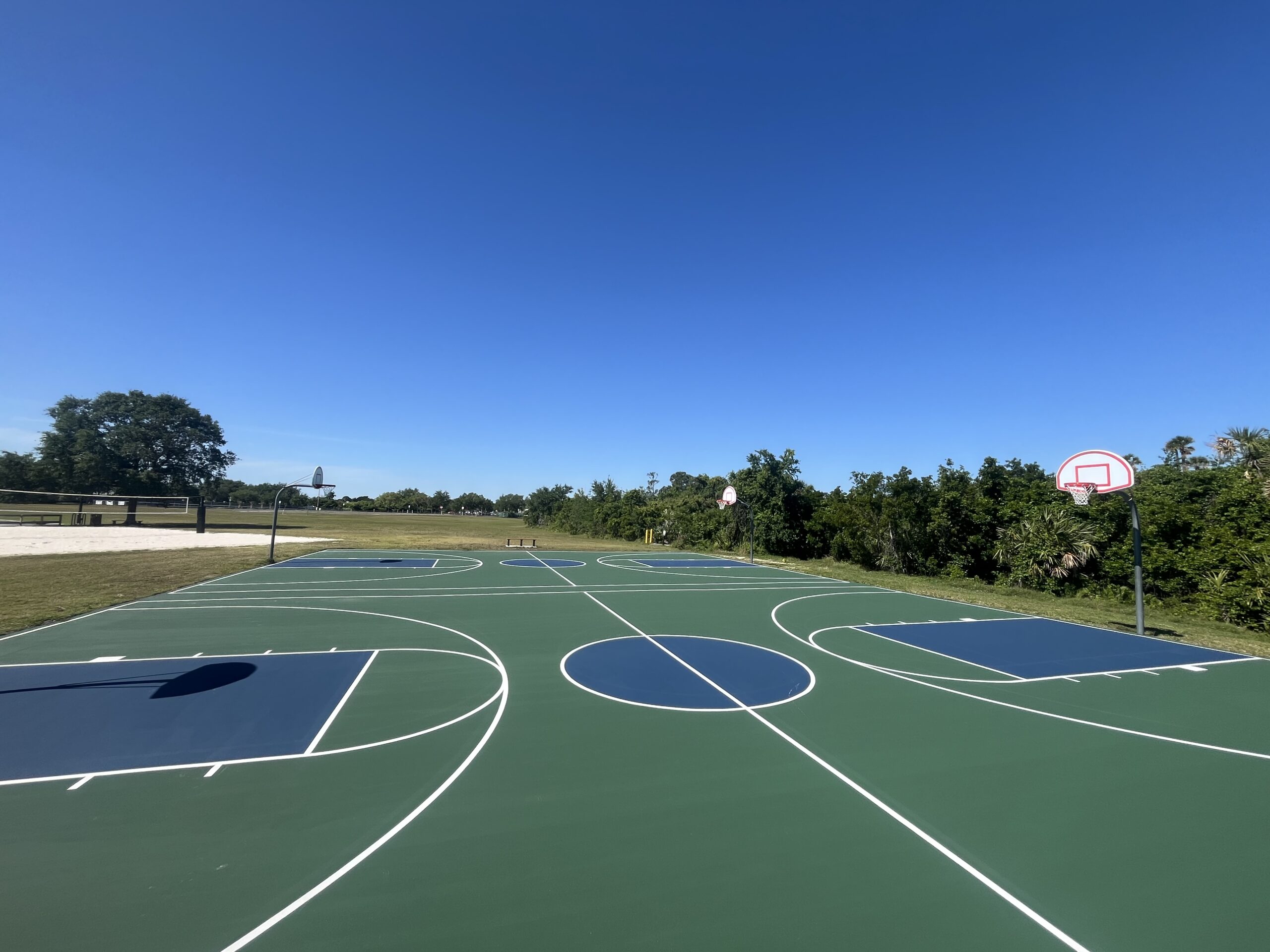
Tennis court resurfacing breathes new life into aging courts, addressing surface deterioration, cosmetic issues, and playability concerns that develop over years of exposure and use. Even well-constructed courts eventually require renewal as ultraviolet radiation, temperature fluctuations, and normal wear take their toll on surface materials. The Dallas climate accelerates certain types of court degradation through intense summer heat and occasional severe weather. Understanding when and how to resurface your court protects your investment and maintains safe, enjoyable playing conditions. Professional resurfacing restores both appearance and performance, often at a fraction of full reconstruction cost.
Professional Tennis Court Resurfacing Services
Court resurfacing is a specialized process requiring technical expertise, proper equipment, and quality materials to achieve lasting results. Professional resurfacing contractors assess existing court conditions, identify underlying issues, and develop comprehensive restoration plans addressing both visible damage and hidden problems. The resurfacing process extends beyond cosmetic improvements to structural repairs that prevent future deterioration. Crack treatment, drainage improvements, and base stabilization work ensure that new surface coatings adhere properly and perform as designed. Professional application techniques achieve consistent texture, color, and line definition that amateur efforts cannot match. Experienced resurfacing providers understand the unique challenges presented by Texas courts, from thermal expansion stresses to clay soil movement beneath base layers. This regional knowledge informs material selection, application timing, and repair methods that maximize restoration longevity in local conditions.
Signs Your Tennis Court Needs Resurfacing
Surface fading and oxidation indicate that protective coatings have deteriorated, exposing underlying materials to accelerated weathering. Color loss progresses gradually, making periodic photography useful for tracking changes over time. When the surface appears noticeably lighter than original color or shows patchy discoloration, resurfacing should be scheduled. Cracking patterns reveal structural stresses requiring attention. Hairline surface cracks develop from normal thermal expansion and contraction, while wider structural cracks suggest base movement or drainage problems. Alligator cracking—interconnected patterns resembling reptile skin—indicates severe surface failure requiring comprehensive repair before resurfacing. Texture loss creates slippery conditions dangerous for players. Acrylic surfaces incorporate fine aggregates that provide traction; when these wear smooth, the court becomes hazardous especially when damp. Players reporting increased slipping or difficulty changing directions indicate texture deterioration needing correction. Standing water and bird baths signal drainage problems that damage court surfaces and create play interruptions. Low spots develop from base settling, surface wear, or drainage system failures. These depressions accelerate deterioration in affected areas and indicate conditions requiring correction during resurfacing.
The Resurfacing Process Step by Step
Professional resurfacing begins with comprehensive court cleaning to remove debris, moss, algae, and loose material that would interfere with coating adhesion. Pressure washing at appropriate pressures cleans thoroughly without damaging existing surfaces. Chemical treatments may address biological growth or staining requiring special attention. Crack repair follows cleaning, with techniques selected based on crack type and severity. Hairline cracks receive elastomeric fillers that accommodate thermal movement, while structural cracks may require fabric reinforcement systems or more extensive base repairs. Proper crack preparation ensures repairs last through multiple resurfacing cycles. Leveling compounds fill bird baths and low spots, restoring proper drainage slope across the court surface. These acrylic-based materials build up depressed areas to match surrounding elevations. Multiple applications may be needed for deep depressions, with curing time between coats ensuring proper bonding. Acrylic resurfacer application provides the foundation for color coats, filling minor imperfections and creating uniform texture. This specialized coating contains sand and fillers that level the surface and establish consistent porosity. Resurfacer typically applies in one or two coats depending on existing surface condition. Color coating establishes the final appearance and playing characteristics. Two or more coats of tinted acrylic provide UV protection, wear resistance, and the desired aesthetic. Court colors and out-of-bounds areas receive separate applications with precise masking between sections. Line painting completes the resurfacing process, restoring crisp, accurate boundary markings. Professional line work requires careful measurement, quality masking materials, and steady application technique. New lines over fresh color coating provide tournament-quality appearance and clear visual definition.
Crack Repair and Prevention Methods
Surface crack repair begins with thorough cleaning to remove debris and vegetation from crack channels. Wire brushing, air pressure, or specialized tools prepare cracks to accept repair materials. Deep cracks may require routing to create uniform channels that hold repair compounds effectively. Elastomeric crack fillers accommodate the thermal expansion and contraction that cause surface cracking. These flexible materials move with the court surface through temperature cycles without reopening. Multiple products are available with varying elasticity and durability characteristics suited to different crack types. Fabric reinforcement systems provide additional strength for active cracks that continue moving. These systems embed woven fiberglass or polyester mesh in liquid acrylic, creating bridges across crack lines that distribute stress. Fabric systems extend repair longevity compared to filler-only approaches. Structural cracks originating from base problems require different approaches. Base stabilization, drainage improvements, or expansion joint installation may be necessary to prevent crack recurrence. Addressing underlying causes during resurfacing prevents rapid return of surface damage. Prevention strategies include proper maintenance practices that minimize surface stress. Keeping courts clean prevents moisture retention that accelerates deterioration. Avoiding heavy equipment or vehicles on the surface prevents impact damage. Prompt repair of minor cracks prevents water infiltration that worsens problems.
Surface Cleaning and Preparation
Effective cleaning removes all contaminants that would prevent coating adhesion. Organic matter including leaves, pine needles, and grass clippings decompose into acids that damage acrylic surfaces. Regular sweeping and blowing prevent accumulation, while periodic deep cleaning addresses embedded debris. Pressure washing requires appropriate technique to clean without damage. Excessive pressure removes surface material along with dirt, accelerating wear. Professional equipment with adjustable pressure settings and proper nozzles achieves thorough cleaning at safe intensities. Hot water systems improve effectiveness on oily or greasy contamination. Chemical cleaning agents address specific stains and biological growth that water alone cannot remove. pH-neutral cleaners designed for acrylic surfaces remove dirt without chemical damage. Algaecides and moss treatments kill biological growth before mechanical removal. Oil and grease stains may require specialized degreasers. Surface profiling through light abrasive treatment improves adhesion for resurfacing coatings. This process removes oxidation and creates micro-roughness that helps new materials bond to existing surfaces. Proper profiling ensures resurfacing coats last their full expected lifespan without peeling or delamination.
Acrylic Resurfacer Application
Acrylic resurfacer serves multiple functions in the restoration process, providing filler material that levels minor imperfections and creating a uniform substrate for color coats. This specialized coating contains fine aggregates suspended in acrylic binder, bridging small cracks and smoothing surface irregularities. Application methods include squeegee, roller, and spray techniques selected based on court condition and weather conditions. Squeegee application provides excellent control for filling low spots and achieving uniform thickness. Spray application offers speed advantages for large areas with relatively uniform existing surfaces. Mixing procedures follow manufacturer specifications for water addition and aggregate blending. Proper mixing ensures consistent material properties throughout application. Batch consistency prevents color and texture variations that would show through subsequent color coats. Cure time between resurfacer and color coat applications allows solvent evaporation and proper film formation. Temperature and humidity affect cure rates, with hot dry conditions accelerating curing and cool humid conditions extending required wait times. Professional applicators test surface readiness before proceeding.
Color Coating and Texture Options
Color coating selection involves aesthetic preferences, performance characteristics, and practical considerations including heat reflection and visibility. Traditional tennis colors include various shades of green and red, though custom color schemes accommodate specific design requirements. Lighter colors reduce surface temperatures in sunny climates. Texture options affect playability and safety, with choices ranging from smooth tournament surfaces to aggressively textured recreational finishes. Texture media including sand, rubber, or specialized aggregates create surface roughness that influences ball bounce and player traction. The ideal texture balances consistent play with slip resistance. Multiple color coat applications build film thickness that provides durability and uniform appearance. Two coats represent minimum recommendations, with three coats providing enhanced longevity for heavily used facilities. Each coat must cure properly before subsequent applications to prevent solvent trapping and adhesion failures. Color blending techniques ensure seamless transitions between court playing areas and out-of-bounds zones. Professional masking and application methods create clean edges that enhance court appearance. Custom logos, lettering, or decorative elements require additional planning and precision application.
Line Painting and Court Markings
Accurate line layout begins with precise measurement using professional surveying equipment. Court dimensions must meet regulation standards with tight tolerances ensuring fair play. Layout includes boundary lines, service boxes, center marks, and any additional lines for modified play formats. Masking materials protect surrounding areas during line painting, creating crisp edges without overspray. Quality masking tapes designed for outdoor use adhere properly without leaving residue or damaging fresh color coats. Paper or plastic masking protects larger areas from spray drift. Line paint formulations provide durability and visibility on acrylic surfaces. Specialized tennis court line paints contain high-quality pigments and binders that resist fading and wear. Bright white remains the standard color, though other options exist for special applications or visibility enhancement. Application techniques achieve uniform line width and thickness throughout the court. Professional line painters maintain steady application rates that prevent runs, thin spots, or excessive buildup. Multiple thin coats provide better durability than single heavy applications that may crack or peel.
Extending Court Life Through Proper Resurfacing
Timely resurfacing prevents minor issues from developing into major problems requiring expensive reconstruction. Courts showing early signs of wear should be resurfaced before underlying base materials deteriorate. This preventive approach maximizes the interval between major restoration projects. Quality materials from reputable manufacturers provide extended service life compared to economy products. Premium acrylic coatings contain higher binder content and better UV resistance that prolong color retention and surface integrity. Material selection represents a small portion of total project cost but significantly affects longevity. Professional application ensures coatings perform as designed. Proper surface preparation, appropriate weather conditions during application, and correct cure times between coats all influence durability. Experienced contractors understand how to achieve optimal results in varying conditions. Maintenance after resurfacing protects the new investment and extends time until next restoration. Regular cleaning, prompt crack repair, and seasonal inspections catch developing issues early. Following manufacturer maintenance recommendations preserves warranty coverage and optimizes surface performance.
Resurfacing vs Reconstruction
Resurfacing restores existing courts when base structures remain sound and properly drained. This approach costs significantly less than reconstruction while delivering excellent results for courts with adequate foundations. Most tennis courts undergo multiple resurfacing cycles throughout their service life. Reconstruction becomes necessary when base materials fail, drainage systems malfunction, or courts have exceeded their structural lifespan. Signs requiring reconstruction include widespread structural cracking, persistent bird baths despite repairs, and base material deterioration visible through surface failures. Cost comparisons favor resurfacing when appropriate, though repeated repairs to failing bases may exceed reconstruction costs over time. Professional evaluation helps owners make informed decisions about restoration versus replacement. Factors include court age, original construction quality, and extent of current damage. Partial reconstruction addresses specific problem areas while preserving sound court sections. This approach may involve removing and replacing damaged base sections while resurfacing intact areas. Phased reconstruction spreads costs over time while addressing critical needs promptly.
Why Choose Us for Court Resurfacing?
- -Experienced professionals with years of industry expertise
- -High-quality materials and state-of-the-art equipment
- -Free consultations and competitive pricing
- -Satisfaction guaranteed on every project
Ready to Get Started?
Contact us today for a free consultation and estimate on your court resurfacing project.
Request a Free Estimate