Tennis Court Construction
Expert tennis court construction services delivering professional-grade playing surfaces built to last in Texas climate conditions.
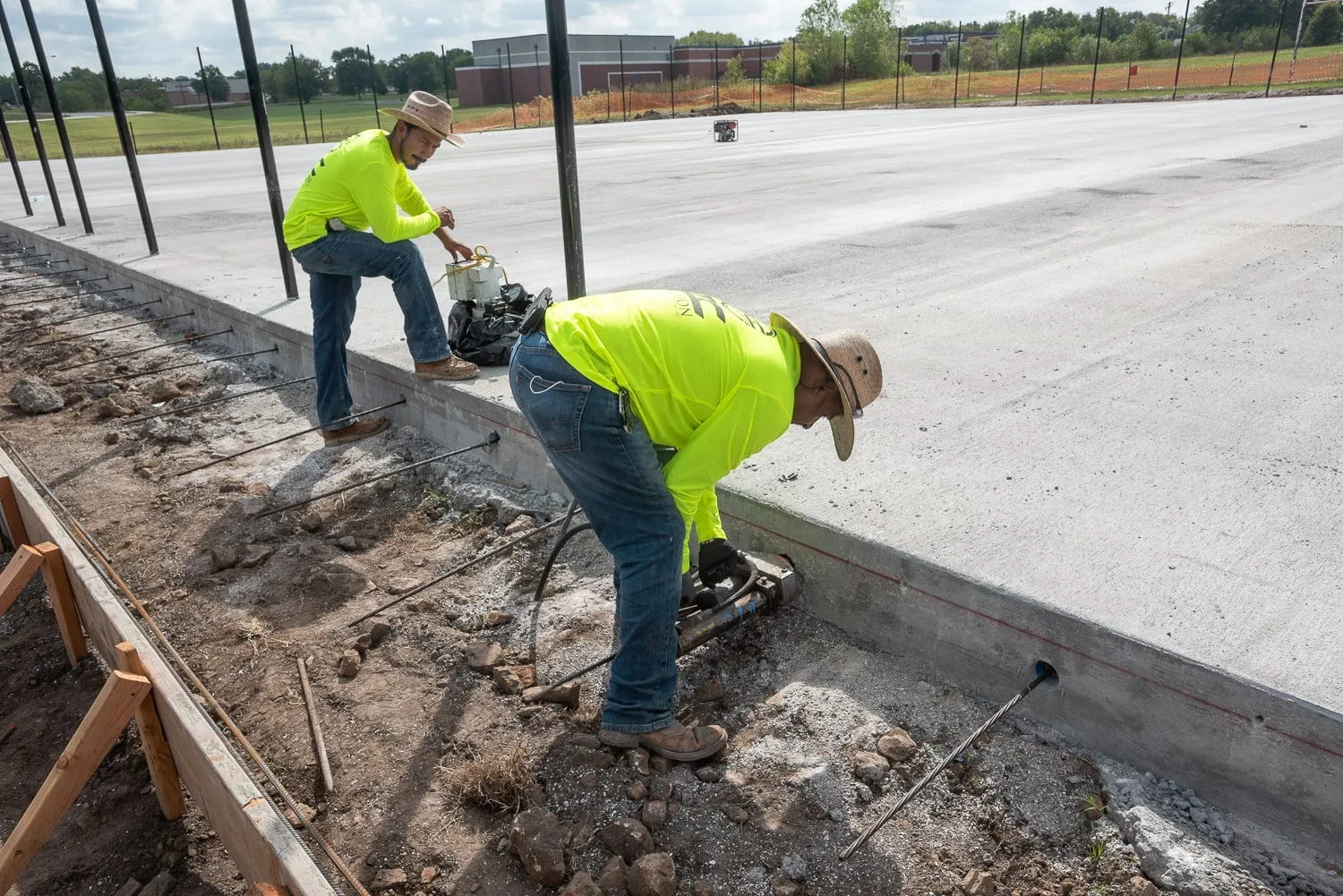
Professional tennis court construction requires specialized expertise, precision engineering, and quality materials to create a playing surface that delivers exceptional performance and durability. Whether you're building a private residential court or adding recreational facilities to a commercial property, proper construction techniques ensure your investment provides years of reliable play. The Dallas-Fort Worth metroplex presents unique challenges for tennis court construction, including intense summer heat, occasional freeze-thaw cycles, and clay-heavy soils that require careful foundation preparation. Understanding these regional factors and implementing appropriate construction methods is essential for long-term court performance.
Professional Tennis Court Construction Services
Building a tennis court is a significant investment that demands attention to detail at every phase of construction. Professional court builders begin with comprehensive site assessment to evaluate soil conditions, drainage patterns, and accessibility requirements. This initial planning phase determines the appropriate construction approach and identifies any potential challenges before breaking ground. The construction process encompasses multiple specialized trades working in coordination, from excavation and grading specialists to surfacing technicians and fencing installers. Each phase builds upon the previous, creating a foundation and surface system designed to withstand years of use and environmental exposure. Quality tennis court construction also considers the complete playing environment, including proper orientation to minimize sun glare, strategic placement for wind protection, and integration with existing landscaping and structures. Professional builders understand that a well-constructed court enhances property value while providing a recreational asset that encourages active living.
Types of Tennis Court Surfaces We Build
Hard courts represent the most popular surface choice for residential and commercial installations in the Dallas area. These courts feature either asphalt or concrete bases covered with acrylic surface systems that provide consistent ball bounce and moderate playing speed. Hard courts offer excellent durability and relatively low maintenance requirements compared to other surface types. Acrylic hard court systems come in various formulations, from standard surfaces to cushioned options that incorporate rubber particles to reduce joint stress during play. Cushioned courts are particularly beneficial for players with knee or back concerns and extend comfortable playing time for athletes of all ages. Color coating options allow customization to complement surrounding architecture and landscape design. Clay courts, including Har-Tru and traditional red clay surfaces, provide a slower playing experience with reduced impact on joints. These surfaces require more intensive maintenance including regular watering, rolling, and line sweeping but offer unique playing characteristics preferred by many tennis enthusiasts. Clay courts require specialized base construction with specific drainage and retaining systems. Multi-purpose courts accommodate various sports beyond tennis, incorporating line markings for basketball, pickleball, and volleyball. These versatile installations maximize available space and serve diverse recreational needs. Surface selection for multi-purpose courts considers the primary activity while ensuring compatibility with secondary uses.
The Tennis Court Construction Process
Professional tennis court construction follows a systematic process beginning with detailed site analysis and design planning. Engineers evaluate topography, soil composition, and drainage requirements to develop construction specifications tailored to the specific location. Permit acquisition and utility location marking precede any excavation work. The construction timeline typically spans several weeks to months depending on weather conditions, site complexity, and chosen surface type. Concrete courts generally require longer curing periods than asphalt bases but offer extended durability and reduced long-term maintenance. Each construction phase must complete properly before proceeding to ensure structural integrity and surface quality. Final construction phases include line painting, net post installation, fencing erection, and lighting integration if specified. Professional builders conduct thorough quality inspections at each milestone, verifying dimensions, slopes, and surface characteristics meet industry standards and project specifications. Upon completion, courts require appropriate curing time before active play begins.
Site Preparation and Excavation
Proper site preparation forms the foundation for successful court construction. The process begins with clearing vegetation, removing organic material, and establishing rough grade elevations. Excavation depth varies based on soil conditions and chosen base material, typically ranging from 12 to 24 inches below final court surface elevation. Soil stability assessment determines whether additional engineering is required. Expansive clay soils common in North Texas may require soil stabilization, lime treatment, or the installation of moisture barriers to prevent base movement and surface cracking. Professional engineers may recommend geotechnical testing for challenging sites to develop appropriate mitigation strategies. Drainage planning begins during site preparation, establishing slopes and identifying water management solutions. The site must accommodate surface runoff while preventing water accumulation beneath or around the court structure. Proper grading ensures water flows away from the playing surface toward appropriate collection points or drainage systems.
Base Construction and Layering
The base layer provides structural support and drainage for the tennis court surface. Asphalt bases typically consist of multiple compacted layers totaling 4 to 6 inches in thickness, while concrete bases generally measure 4 to 5 inches thick with steel reinforcement. Both materials require proper compaction and curing to achieve design strength. Stone sub-base layers beneath the primary base material improve drainage and provide additional load distribution. These layers typically consist of crushed stone or recycled concrete aggregate compacted to specified densities. The sub-base system prevents subgrade soil migration while facilitating water movement away from the court structure. Base construction must achieve precise elevation and slope tolerances to ensure proper surface drainage. Standard specifications call for a minimum 1% slope (1 inch per 8 feet) from the court center to edges, though some designs incorporate crown profiles with higher center elevations. Professional survey equipment verifies grade accuracy throughout construction.
Surfacing Options and Finishes
Acrylic surfacing systems provide the finished playing surface for hard courts, offering color, texture, and protection for the underlying base. These multi-layer systems typically include a resurfacer coat that fills minor imperfections, followed by color coats that establish the playing characteristics and appearance. Cushioned systems incorporate additional layers with rubber granules for shock absorption. Surface texture affects both playability and safety, with options ranging from smooth tournament-grade finishes to more aggressive textures that provide enhanced traction. The ideal texture balances ball response consistency with slip resistance for various weather conditions. Professional installers select appropriate texture media based on intended use and player preferences. Color selection extends beyond aesthetics to practical considerations including heat reflection, visibility, and surrounding environment coordination. Lighter colors reflect more solar radiation, reducing surface temperatures during hot Texas summers. Traditional color schemes include green playing surfaces with red or green out-of-bounds areas, though custom color combinations accommodate specific design requirements.
Line Marking and Court Accessories
Accurate line marking is essential for regulation play and court appearance. Professional installers use precise measurement and layout techniques to establish court dimensions meeting United States Tennis Association (USTA) standards. Lines measure 2 inches wide for boundary markings and 4 inches for baselines, applied using specialized tapes or freehand techniques depending on surface type. Net post installation requires secure anchoring systems that withstand net tension and player contact. Posts typically embed in concrete footings extending below the court base, with sleeves allowing post removal if necessary. Net height measures 36 inches at center and 42 inches at posts, with adjustable mechanisms for precise tensioning. Additional accessories enhance court functionality and user experience. Player benches provide seating between games, while equipment storage units keep balls, racquets, and supplies organized. Windscreens reduce wind effects and provide visual backgrounds that improve ball tracking. Backboards offer solo practice opportunities and ball containment.
Weather Considerations for Dallas Climate
The North Texas climate presents specific challenges that influence tennis court construction decisions. Summer temperatures regularly exceed 100 degrees Fahrenheit, creating thermal stress on court surfaces and potentially uncomfortable playing conditions. Light-colored surface coatings and cushioned systems help mitigate heat absorption while maintaining playability. Occasional winter freeze events, though typically brief, can damage improperly constructed courts through frost heave and surface cracking. Proper base drainage and soil preparation minimize freeze-thaw damage risks. Construction scheduling avoids winter months when possible to ensure adequate curing temperatures for surface materials. Severe weather including thunderstorms, hail, and occasional tornadoes requires consideration in court design and accessory selection. Wind-resistant fencing, durable lighting fixtures, and appropriate drainage systems protect the investment from weather-related damage. Lightning protection systems may be recommended for facilities in exposed locations.
Maintenance Planning from Day One
Successful tennis court ownership begins with understanding maintenance requirements during the construction phase. Properly constructed courts with appropriate drainage, quality materials, and professional installation minimize ongoing maintenance demands. However, regular cleaning, inspection, and preventive care extend surface life and preserve playing quality. Seasonal maintenance schedules address specific challenges throughout the year. Spring cleaning removes accumulated debris and winter weather effects, while summer maintenance focuses on managing heat-related stress and vegetation control. Fall preparations protect courts through winter months, and year-round inspections catch developing issues before they require major repairs. Professional maintenance services complement owner care programs, providing deep cleaning, crack repair, color restoration, and surface renewal. Establishing relationships with qualified court maintenance providers during construction ensures expert support when needed. Many builders offer maintenance packages that protect warranty coverage and optimize long-term court performance.
Why Choose Us for Tennis Court Construction?
- -Experienced professionals with years of industry expertise
- -High-quality materials and state-of-the-art equipment
- -Free consultations and competitive pricing
- -Satisfaction guaranteed on every project
Ready to Get Started?
Contact us today for a free consultation and estimate on your tennis court construction project.
Request a Free Estimate