Tennis Court Fencing
Expert tennis court fencing installation providing safety, ball containment, and aesthetic enhancement for residential and commercial courts.
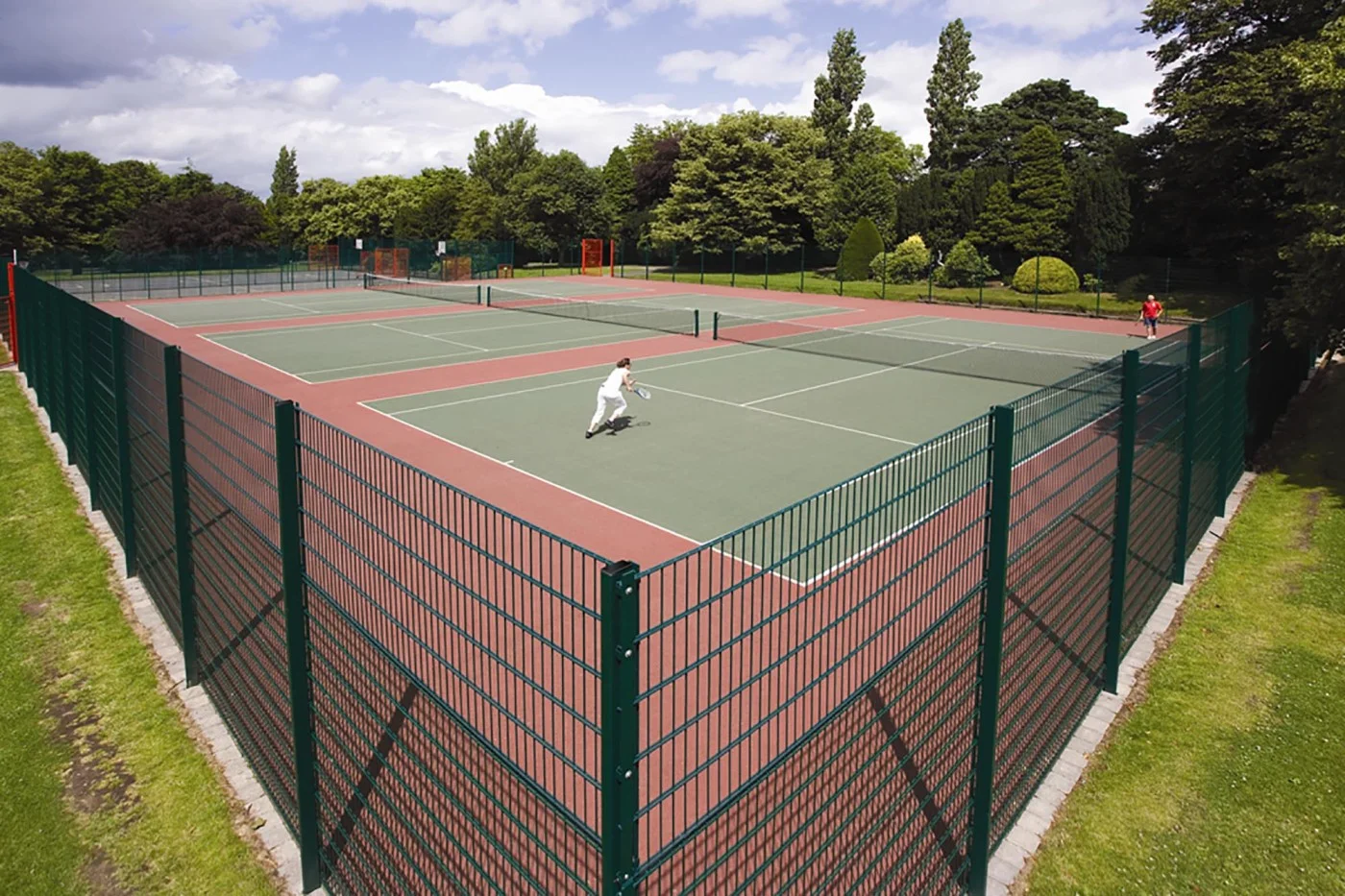
Tennis court fencing serves multiple essential functions beyond simple boundary definition. Quality enclosure systems provide player safety, contain balls within the playing area, reduce wind effects that disrupt play, and establish visual backgrounds that improve ball tracking. Well-designed fencing also enhances property aesthetics and can increase privacy for residential installations. The Dallas environment, with its occasional severe weather and intense sun exposure, demands fencing materials and installation techniques engineered for durability. From standard chain link systems to specialized windscreen applications, professional fencing installation ensures your court enclosure withstands years of use while maintaining appearance and function. Selecting appropriate fencing involves balancing practical requirements including height, strength, and visibility with aesthetic preferences and budget considerations. Understanding available options and installation best practices helps facility owners make informed decisions that serve their needs for decades.
Professional Tennis Court Fencing Installation
Tennis court fencing installation requires specialized knowledge of sports facility requirements, fencing construction techniques, and local regulations. Professional installers understand the unique demands court fencing faces, including ball impacts, player contact, and continuous exposure to weather and UV radiation. The installation process encompasses site preparation, post setting, framework assembly, fabric installation, and accessory mounting. Each phase requires proper techniques and quality materials to achieve lasting results. Professional crews equipped with specialized tools complete installations efficiently while meeting exacting standards. Permitting and code compliance vary by jurisdiction, with setback requirements, height restrictions, and safety standards that must be addressed. Professional installers navigate these requirements, securing necessary approvals and ensuring installations meet all applicable regulations. This expertise prevents costly modifications or violations. Post-installation services including maintenance guidance, warranty support, and repair services provide ongoing value from professional relationships. Established fencing contractors stand behind their work, addressing any issues that arise and helping owners maintain enclosure integrity through years of service.
Types of Tennis Court Fencing
Chain link fencing represents the standard choice for tennis court enclosures, offering durability, visibility, and cost-effectiveness. Galvanized steel wire woven in diamond patterns provides strength and flexibility that withstands impacts and environmental stresses. Chain link accommodates various heights, gauges, and coating options to meet specific requirements. Vinyl-coated chain link adds color and additional protection to standard fencing. PVC or polyester coatings applied over galvanized wire provide aesthetic options including black, green, and brown that blend with surrounding landscapes. These coatings also extend fence life by protecting against corrosion and UV degradation. Mesh size selection balances containment effectiveness with visibility and wind resistance. Smaller mesh (1-3/4 inch diamonds) prevents ball penetration while providing excellent structural strength. Larger mesh (2 inch diamonds) offers adequate containment for most applications with slightly reduced wind loading and material cost. Wire gauge indicates wire thickness, with lower gauge numbers representing thicker, stronger wire. Nine-gauge wire provides excellent durability for tennis court applications, resisting deformation from ball impacts and player contact. Lighter gauges may suffice for residential installations with lower use intensity. Alternative fencing materials including vinyl, wood, and ornamental metal serve specialized applications where chain link doesn't meet aesthetic requirements. These alternatives typically cost more and may require more maintenance but provide distinctive appearances that complement upscale properties or specific architectural styles.
Chain Link Fencing Options
Framework specifications determine fence structural integrity and longevity. Terminal posts at corners and gate locations typically measure 2-3/8 or 2-7/8 inches in diameter, providing substantial support for fabric tension and wind loads. Line posts between terminals maintain fabric alignment and resist lateral forces. Post wall thickness affects strength and durability, with commercial-grade Schedule 40 or heavier tubing recommended for tennis court applications. Thinner wall tubing may deform under stress or develop cracks at welds and fittings. Quality posts include proper galvanization both inside and outside for corrosion protection. Top rail installation provides horizontal support that prevents fabric sagging and adds structural rigidity. Rails connect terminal posts, creating continuous framework that distributes loads. Some installations omit top rails for aesthetic reasons, though this reduces overall fence strength. Bottom tension wire or bottom rail prevents fabric lifting and maintains proper ground clearance. This feature proves particularly important for courts with active play that might displace unsecured fabric bottom edges. Proper ground clearance (typically 1 to 2 inches) prevents vegetation contact while deterring animal intrusion. Fittings and hardware connect framework components, with quality cast or pressed steel fittings providing secure connections that withstand environmental exposure. Hardware should be galvanized or stainless steel to prevent rust that weakens connections and creates unsightly staining.
Vinyl-Coated and Color-Matched Fencing
Vinyl coatings transform utilitarian chain link into aesthetically pleasing enclosures that complement surrounding landscapes. Color options typically include black, green, and brown, with black being most popular for its neutral appearance that blends with various settings. These coatings provide both cosmetic and functional benefits. Application methods include extruded coatings that fully encapsulate wire in thick PVC layers and adhered coatings that bond thinner material to galvanized surfaces. Extruded coatings offer superior durability and damage resistance but at higher cost. Both types significantly extend fence life by protecting underlying metal from corrosion. Color consistency throughout the fence installation creates professional appearance that enhances property value. Quality vinyl-coated products maintain color through years of sun exposure, with UV inhibitors preventing fading and chalking. Darker colors may absorb more heat but generally maintain appearance longer than lighter alternatives. Matching framework components including posts, rails, and fittings creates unified appearance. Vinyl-coated or powder-coated framework complements coated fabric, while uncoated galvanized hardware creates visual contrast that some find objectionable. Complete color coordination requires specifying coated components throughout. Maintenance advantages include reduced cleaning requirements and corrosion resistance that extends service life. Vinyl surfaces shed dirt more readily than bare metal and resist staining from environmental contaminants. The protective coating eliminates rust concerns that plague uncoated fencing in humid or coastal environments.
Windscreen Installation and Benefits
Windscreens serve multiple functions beyond their primary wind-reduction purpose. These fabric panels attach to fence exteriors, providing visual backdrops that improve ball visibility, reducing wind effects on play, increasing privacy, and concealing court surroundings that might distract players. Material options include polyethylene mesh, vinyl-coated polyester, and specialized tennis fabrics engineered for outdoor exposure. Mesh density, measured as openness percentage, determines wind permeability and visibility blockage. Denser screens (lower openness) provide more wind reduction and privacy but create higher wind loads on fences. Standard windscreen heights range from 6 to 10 feet, with full fence height coverage providing maximum benefits. Partial coverage focusing on player sight lines offers cost savings while addressing primary needs. Professional installation ensures proper tension and attachment that prevents flapping, tearing, or premature wear. Color selection affects both aesthetics and functionality. Dark colors including black, navy, and dark green provide excellent ball visibility and match common fence colors. Custom colors and logos enable branding for commercial facilities or personalization for residential courts. Attachment methods include grommets with tie wraps, reinforced hems with rope lacing, and specialized fasteners that simplify installation and removal. Proper attachment distributes wind loads evenly across the screen, preventing tear-out at attachment points. Removable installations allow seasonal adjustment or storm preparation.
Fence Height Requirements
Minimum fence heights for tennis courts typically measure 10 feet, providing adequate ball containment for most play situations. This height contains high lobs and mishits while remaining visually acceptable for residential settings. Ten-foot fencing balances containment effectiveness with aesthetic and cost considerations. Twelve-foot fencing provides enhanced containment for competitive play or courts with limited surrounding space. The additional height captures more errant shots and provides better wind protection when fitted with windscreens. Many commercial and club facilities prefer 12-foot fencing for maximum functionality. Height measurement specifies fabric height above finished grade, with actual total height including any extensions or top rail variations. Installation should achieve consistent height throughout the enclosure, with transitions at gates or corners maintaining visual continuity. Local regulations may impose height restrictions that limit fencing options. Setback requirements often increase with fence height, affecting placement on smaller properties. Professional installers verify code compliance before construction, identifying any variances or special permits required for desired configurations. Wind load increases significantly with fence height, requiring stronger posts and deeper foundations for taller installations. Engineering calculations ensure adequate structural capacity for expected wind speeds in the Dallas area. Inadequate structure for height creates failure risks during severe weather events.
Gate and Entry Solutions
Player access gates provide entry points sized for comfortable player passage with equipment. Standard single gates measure 4 feet wide, accommodating players with racquet bags while maintaining structural efficiency. Double gates or wider singles may serve facilities requiring equipment, wheelchair, or maintenance vehicle access. Gate placement considers traffic flow, sight lines, and space utilization. Gates positioned away from play areas reduce interference while providing convenient access. Multiple gates may serve larger facilities with courts separated by fencing. Emergency access requirements may influence gate location and sizing. Self-closing mechanisms ensure gates don't remain open, preventing ball escape and maintaining security. Spring or hydraulic closers provide reliable operation through temperature variations and usage cycles. Latches should secure positively while allowing easy operation by players during play. Hardware selection affects gate durability and operation quality. Heavy-duty hinges support gate weight without sagging or binding. Quality latches resist corrosion and provide secure closure. Locking options range from simple slide bolts to keyed mechanisms depending on security requirements. Gate construction matches or exceeds fence quality, with reinforced frames that withstand frequent use and occasional impact. Fabric attachment must remain secure despite repeated opening and closing. Professional gate installation ensures smooth operation and long-term reliability.
Fence Post Installation
Post foundation depth provides anchorage that resists wind loads, impact forces, and soil conditions. Standard installations require concrete footings extending 36 inches below grade for terminal posts in normal soils, with greater depths for line posts or challenging conditions. Deep foundations prevent frost heave in areas with freezing temperatures. Concrete footing specifications include minimum diameters (typically 8 to 12 inches) and proper mixing for strength development. Footings should extend above grade to prevent soil contact with post bases. Proper curing ensures concrete achieves design strength before fabric tensioning. Post spacing affects both cost and structural performance. Line posts typically space 8 to 10 feet on center, with closer spacing for high-wind areas or shorter spacing for gates and ends. Optimal spacing balances material cost against labor and strength requirements. Post setting techniques ensure plumb alignment and proper elevation. Bracing maintains position during concrete curing. Professional crews use levels, transits, or laser equipment to achieve accurate alignment that prevents waves or variations in finished fence appearance. Cantilevered post designs extend above fence height to support lighting fixtures or windscreen attachment points. These installations require enhanced foundations and structural calculations to support additional loads. Specialized brackets and hardware accommodate accessory mounting.
Backboard and Rebound Wall Options
Backboards provide practice surfaces for solo drills and ball containment along court ends. Standard dimensions measure 10 feet high by 12 to 20 feet wide, positioned 4 to 8 feet behind baselines. Quality backboards feature consistent rebound characteristics that simulate play against a partner. Materials include wood panels, fiberglass, concrete, and specialized tennis backboard products. Each material offers different rebound characteristics, durability, and maintenance requirements. Consistent rebound across the entire surface ensures predictable practice conditions regardless of ball impact location. Rebound walls extend full fence height for maximum containment and practice utility. These installations prove valuable for facilities with limited space behind courts or where balls escaping baseline areas create problems. Full-height walls may incorporate viewing areas, storage, or architectural features. Surface finishes affect rebound characteristics and durability. Smooth painted surfaces provide consistent rebounds but may show wear quickly. Textured or coated surfaces extend life while maintaining playability. Some products incorporate graphic elements that provide target areas for practice drills. Installation requirements include adequate structural support and foundation systems that resist ball impact forces. Backboards require secure attachment that prevents movement or noise during use. Professional installation ensures proper positioning height and distance from court lines.
Privacy Fencing Solutions
Privacy screening extends beyond standard windscreen applications to provide complete visual blockage when desired. Full privacy installations utilize dense windscreen materials, privacy slats inserted in chain link mesh, or solid fencing alternatives that completely block visibility through the enclosure. Privacy slats weave through chain link mesh, creating solid-appearing barriers while maintaining fence structural properties. Available in various colors and styles, slats provide privacy at lower cost than solid fencing. Installation density determines visibility blockage percentage, with double-slat configurations achieving near-total privacy. Combination approaches use solid fencing along lower sections with mesh or screen above. This design provides privacy at player level while allowing air circulation and some visibility above fence height. Such configurations suit residential settings where complete enclosure seems excessive. Vegetative screening complements or replaces manufactured privacy products. Strategic landscaping with fast-growing shrubs or vines creates natural privacy barriers that soften fence appearance. However, vegetation requires ongoing maintenance and may affect fence integrity through root pressure or moisture retention. Privacy considerations balance with safety requirements, as complete enclosure may prevent visibility into courts during emergencies. Some jurisdictions regulate privacy fence height or location for safety reasons. Professional consultation ensures privacy solutions meet both functional needs and regulatory requirements.
Why Choose Us for Tennis Court Fencing?
- -Experienced professionals with years of industry expertise
- -High-quality materials and state-of-the-art equipment
- -Free consultations and competitive pricing
- -Satisfaction guaranteed on every project
Ready to Get Started?
Contact us today for a free consultation and estimate on your tennis court fencing project.
Request a Free Estimate